Ants are a common sight in Louisiana. The state’s warm, humid climate creates an ideal environment for them. With over 700 species in the US, ants are an incredibly diverse group. Louisiana is home to a fascinating variety of them.
From the notorious red imported fire ants to the elusive ghost ants, each species has unique traits. Understanding these ants is crucial for effective control and prevention. Homeowners often face challenges with ant infestations.
Identifying the species is the first step in managing them. Different ants require different control methods. This guide will explore the various types of ants found in Louisiana and offer tips for controlling and preventing ant infestations.
Table of Contents
Why Are Ants So Common in Louisiana?
Louisiana’s climate is key to its ant population. The state experiences hot, humid summers and mild winters, perfect for ants. Moisture levels in Louisiana contribute to the abundance of ants. Ants thrive in moist environments, ensuring their continued presence. The state’s geography also aids in the variety of ant species found there. With lush vegetation and diverse landscapes, ants have plenty of habitats.
Key factors for ants in Louisiana:
- Warm and humid climate
- Abundant moisture
- Variety of habitats
Human development in Louisiana also affects ant populations. Urban areas often provide shelter, food, and water, attracting ants. Understanding these factors helps in managing and preventing ant problems effectively.
The Most Common Types of Ants in Louisiana
There are more than 700 ant species in the US, and Louisiana is home to a diverse range of them. Each comes with unique characteristics and behaviors.
Common ants in Louisiana include:
- Red imported fire ants
- Carpenter ants
- Crazy ants
- Odorous house ants
- Pavement ants
- Pharaoh ants
- Argentine ants
- Little black ants
- Acrobat ants
- Ghost ants
These ants vary in size and color but share and compete for resources, such as food and shelter. Recognizing these species is important for effective ant control in Louisiana. Identifying each type helps tailor management strategies to specific ant behaviors.
Red Imported Fire Ants
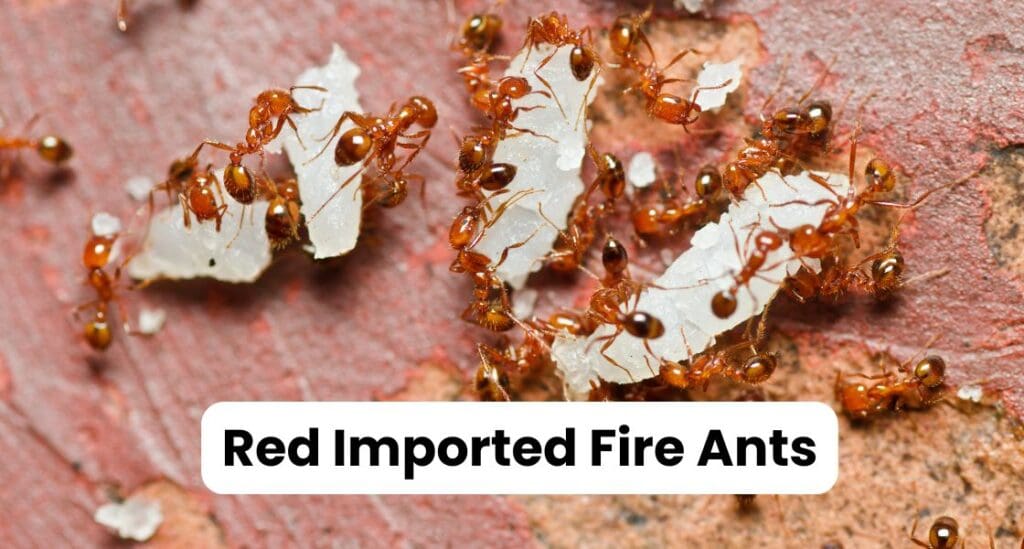
Red imported fire ants are notorious for their aggressive nature. They deliver painful stings, which can cause allergic reactions.
These ants are often found in large colonies. Their mounds are visible in open areas like lawns and fields.
Pest control for fire ants can be challenging. Treatments include specific baits and insecticides designed for their species. Being aware of their behavior is key to managing their presence effectively.
| Features | Description |
|---|---|
| Habitat | Live in moist areas on lawns and near water |
| Diet | Omnivorous, preferring proteins and fats |
| Behavior | Aggressive, especially when disturbed |
| Appearance | Reddish-brown, range in size from 1/8-inch to 3/8-inch |
| Unique Features | Display strong group behavior and can connect together to form ‘rafts’ during floods |
Carpenter Ants
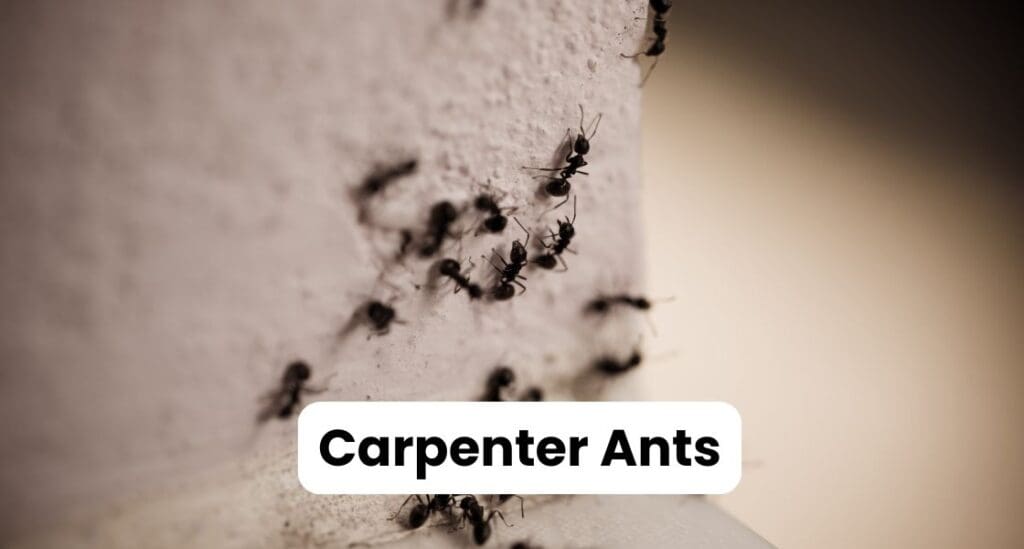
Carpenter ants are among the largest ants in Louisiana. They are known for their ability to damage wood structures.
Unlike termites, carpenter ants do not eat wood. Instead, they create nests by hollowing out galleries in the wood.
These ants prefer moist, decayed wood for nesting. Effective control involves finding the nest and removing excess moisture from the area. Regular inspections can prevent significant damage.
| Features | Description |
|---|---|
| Habitat | Primarily target decaying wood structures |
| Diet | Insects, sweets, and proteins |
| Behavior | Nocturnal, create smooth tunnels |
| Appearance | Dark brown to black, they range in size from 1/4-inch to 1/2-inch |
| Unique Features | Spit formic acid as a defense mechanism |

Crazy Ants
Crazy ants are aptly named for their fast, erratic movements. Identifying them involves observing their unusual behavior.
These ants are known to invade homes, especially during rainy seasons. They search for food and shelter indoors.
Effective management of crazy ants requires sealing entry points. Baits and insecticides help control their population inside homes. Being vigilant can prevent large infestations.
| Features | Description |
|---|---|
| Habitat | Anywhere with food and moisture, often inside man-made structures |
| Diet | Omnivorous, prefer sweets and proteins |
| Behavior | Rapid, unpredictable movements with no apparent structure |
| Appearance | Reddish brown to orange in color, roughly 1/8-inch in length |
| Unique Features | Resistant to many conventional ant treatments |
Odorous House Ants
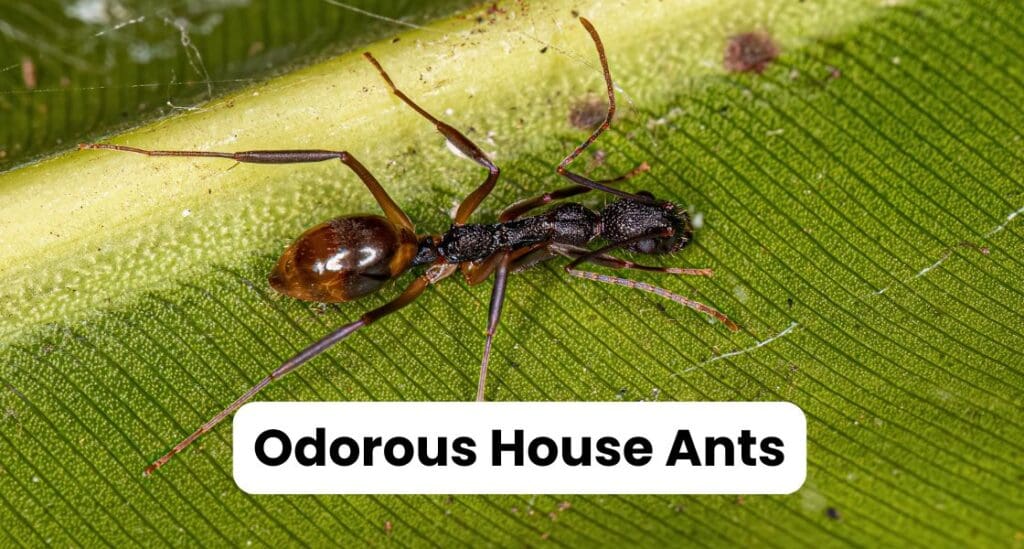
Odorous house ants are small and dark. They emit a coconut-like smell when crushed.
These ants often invade kitchens and pantries, searching for sweet foods. Quick action is needed to control them.
Sealing food containers and maintaining cleanliness can deter these ants. Routine checks and prompt cleaning help prevent their infestations.
| Features | Description |
|---|---|
| Habitat | High moisture areas, indoors and under rocks |
| Diet | Sweets, especially honeydew from aphids and scale insects |
| Behavior | Build large colonies, nest nearly anywhere |
| Appearance | Brown to black, range in size from 1/16-inch to 1/8-inch |
| Unique Features | Emit a distinct rotting odor when injured or crushed |

Pavement Ants
Pavement ants often nest in cracks found in sidewalks and driveways. They are small and hard-working.
These ants prefer nesting in disturbed soil areas. Controlling them involves treating nesting sites and entry points.
Managing pavement ants requires regular inspections of potential nesting spots. Early detection ensures more effective control measures.
| Features | Description |
|---|---|
| Habitat | Under concrete slabs and rocks, in walls |
| Diet | Omnivorous, prefer greasy foods and insects |
| Behavior | Slow-moving, form trails to food sources |
| Appearance | Dark brown to black, ranging from 1/10-inch to 1/6-inch |
| Unique Features | Known for visible wars between colonies |
Pharaoh Ants
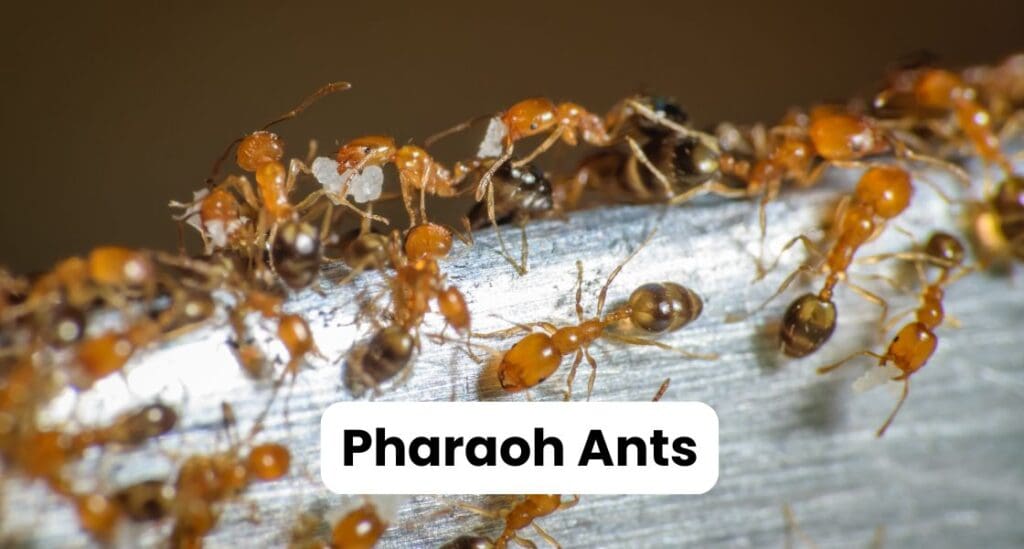
Pharaoh ants are notorious for infesting buildings in Louisiana. They are small, yellowish, and difficult to control.
These ants thrive in warm, humid environments indoors. They form large colonies, which can quickly grow out of control.
Effective management involves baiting, as sprays can cause colonies to split. Regular cleaning and sealing of entry points are also crucial.
| Features | Description |
|---|---|
| Habitat | Indoor in warm areas, especially kitchens and hospitals |
| Diet | Omnivorous, including fats, proteins, and sweets |
| Behavior | Form multiple colonies, very resistant to pest control methods |
| Appearance | Light yellow to red, roughly 1/16-inch in size |
| Unique Features | Often requires professional extermination, potentially multiple treatments |

Argentine Ants
Argentine ants are highly aggressive and can displace native ant species. They form large supercolonies.
These ants are fond of sweets and are often found in kitchens. Quick management is needed when they are spotted indoors.
Argentine ants require targeted control strategies. Using bait stations can be effective in reducing their numbers.
| Features | Description |
|---|---|
| Habitat | Moist areas, often near food sources |
| Diet | Sweet foods, fats, and oils |
| Behavior | Non-aggressive to each other, displace native species, and form supercolonies |
| Appearance | Dark brown, roughly 1/8-inch in size |
| Unique Features | Can form large colonies with multiple queens |
Little Black Ants
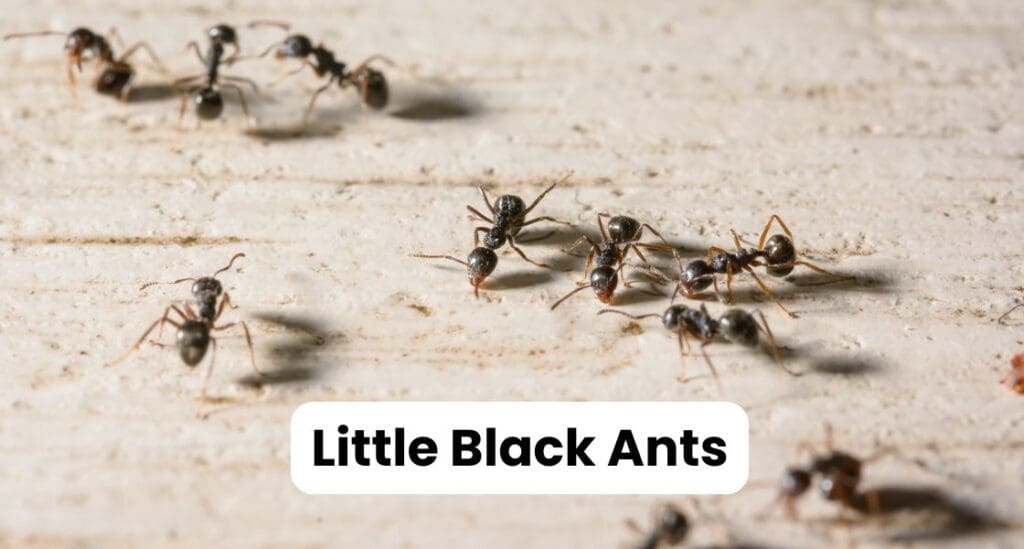
Little black ants are common in Louisiana households. They are tiny but can become a nuisance quickly.
These ants prefer sweets and greasy foods. They typically enter homes in search of these food sources.
Managing little black ants involves maintaining cleanliness. Ensuring food is sealed and countertops are clean prevents infestations.
| Features | Description |
|---|---|
| Habitat | In soil, rotting wood, concrete, and masonry |
| Diet | Omnivorous, prefer meats, vegetables, and sweets |
| Behavior | Extremely active, quickly find and form trails to food |
| Appearance | Shiny black, roughly 1/16-inch in size |
| Unique Features | Able to reach just about any area due to their small size |
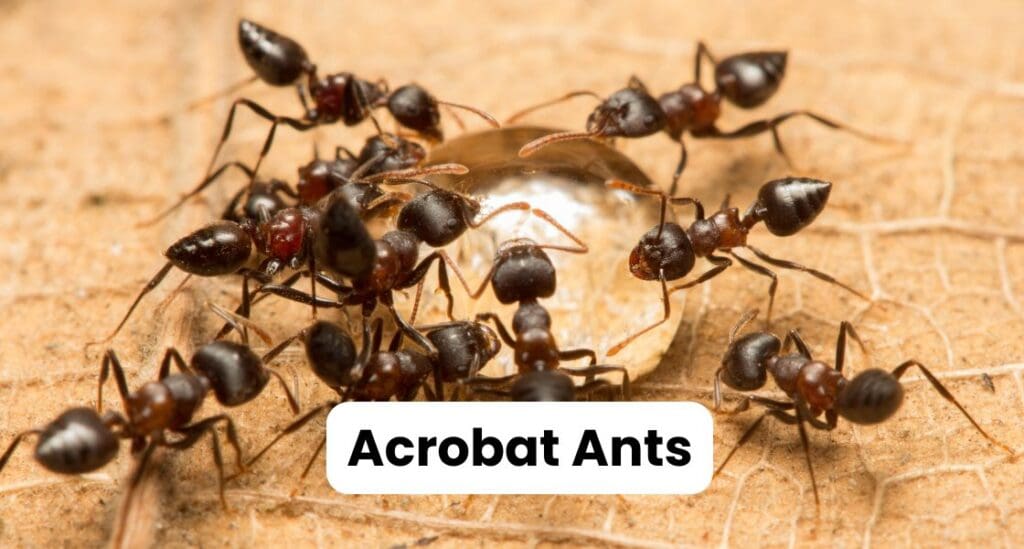
Acrobat Ants
Acrobat ants are noted for their distinctive defensive posture. They lift their abdomen over their thorax when threatened.
These ants often nest in decayed wood and trees. They can sometimes be found indoors in wall voids or insulation.
Control involves finding and removing nests. Prompt repairs of damp areas prevent future invasions of acrobat ants.
| Features | Description |
|---|---|
| Habitat | Nests are often located in tree trunks or branches |
| Diet | Insects and sweets |
| Behavior | Nests are often located in tree trunks or downed branches |
| Appearance | Light brown to black, 1/16-inch to 1/8-inch |
| Unique Features | Distinct heart-shaped abdomen and clubbed antennae |

Ghost Ants
Ghost ants are tiny and pale, making them challenging to spot. They thrive in tropical areas like Louisiana.
These ants frequently invade kitchens, hunting for sweets and water. Their small size allows easy access through tiny cracks.
Routine cleaning and sealing entry points are essential in controlling ghost ants. Baiting can effectively reduce their numbers indoors.
| Features | Description |
|---|---|
| Habitat | Soil, under rocks, in potted plants |
| Diet | Sweets and insects |
| Behavior | Disperse widely when disturbed, often trailing along edges |
| Appearance | Pale white, almost translucent, 1/16-inch |
| Unique Features | Difficult to see due to their translucent coloring |
How to Identify an Ant Infestation
Identifying an ant infestation early can prevent serious issues. There are clear signs you should watch for in your home.
Firstly, check for visible trails or lines of ants. These trails often lead to food sources in your house.
Secondly, you may notice ant mounds near your home, often in the yard or garden. These mounds indicate a growing colony nearby.
Be on the lookout for these common indicators:
- Lines of marching ants indoors
- Dirt mounds or nests outside
- Damaged food packages or crumbs
Stay alert to these signs to address infestations promptly. Addressing an infestation quickly can save you time and effort in managing ants in Louisiana.
Ant Behavior and Nesting Habits
Understanding ant behavior is crucial for effective control. Ants are social creatures and organize into well-structured colonies.
They search for food in predictable patterns. Foraging lines lead from nests to food sources. These lines are efficient pathways for their daily activities.
Ant nests can be found in various locations. Some are indoors, while others are outside in yards or gardens. Key nesting habits include:
- Nesting in wood (Carpenter ants)
- Creating soil mounds (Fire ants)
- Hiding behind walls or under floors
Knowing these behaviors and habits helps in identifying and managing different types of ants in Louisiana effectively.
The Role of Ants in Louisiana’s Ecosystem
Ants play a vital role in maintaining ecological balance. They contribute to several key processes that benefit the environment.
These tiny insects promote soil health and aid in seed dispersal. They also help control pest populations, contributing to a healthy ecosystem. Here’s how ants contribute:
- Aerating soil to improve quality
- Dispersing plant seeds
- Preying on other insect pests
Understanding their role provides insight into their ecological importance. While some can be pests, their benefits in nature are significant and often overlooked.
Effective Ant Control Methods
Controlling ants starts with proper identification. Knowing the species helps determine the best strategy for removal.
There are several techniques to effectively manage ant populations. Both chemical and natural methods can be used to achieve desired results.
Some steps in an effective ant control strategy include:
- Identifying the ant species
- Using baits or insecticides as needed
- Applying natural remedies or deterrents
- Regular inspections and maintenance
Each method has its advantages and applications. Using a combination tailored to the specific ant type is often most effective. Ultimately, the goal is to reduce ant numbers and prevent future invasions.
Using Baits and Insecticides Safely
Using baits and insecticides can be effective in controlling ants when done properly. Targeted application minimizes risks to humans and pets.
Baits attract ants, allowing them to bring the pesticide back to their colony. This method ensures comprehensive colony treatment.
When using baits and insecticides, follow these guidelines:
- Read and follow all product labels
- Use only in areas with high ant activity
- Keep chemicals away from children and pets
By carefully handling these products, you can manage ants effectively and safely.
Natural Remedies for Ant Control
For those who prefer non-chemical solutions, natural remedies offer viable alternatives. They are safe for both humans and the environment.
Natural remedies include ingredients found at home, such as vinegar or peppermint oil. These deterrents can disrupt ant trails or nests.
Consider these natural remedies for ant control:
- Sprinkle diatomaceous earth along ant paths
- Use essential oils as deterrents
- Apply vinegar or lemon juice to clean surfaces
These solutions offer peace of mind without sacrificing effectiveness. They can be a gentle yet powerful approach to keeping ants at bay.
| Treatment Type | Use Method |
|---|---|
| Diatomaceous earth | Sprinkle around ant pathways. |
| Vinegar solution | Spray on trails and entry points. |
| Ant Baits | Place in areas of activity. |
| Sprays | Use on nests and around the perimeter. |
How to Prevent Ant Infestations
Preventing ants from entering your home requires diligence. Simple measures can create an environment that ants find unattractive.
Start by sealing potential entry points. Inspect doors, windows, and foundation cracks for gaps where ants could enter.
Keeping a clean home is crucial. Ensure that food is stored properly and surfaces are free from crumbs and spills.
Consider these steps to prevent infestations:
- Seal gaps in walls and floors
- Store food in airtight containers
- Take out trash regularly and keep bins sealed
Maintain a clutter-free environment, particularly in kitchens and pantries. Regularly check these areas for signs of ant activity.
Persistent preventive measures can significantly reduce the chances of infestation. By acting preemptively, homeowners can keep their spaces ant-free.
When to Call a Professional Pest Control Service
Sometimes ant infestations can become overwhelming. In such cases, professional pest control services provide valuable assistance.
Complex infestations or persistent ant presence may require expert intervention. Professionals have access to specialized tools and treatments.
Consider calling a professional when:
- Ants continue to appear despite control efforts
- An infestation poses structural risks, like carpenter ants
- Identifying or managing the ant species is difficult
Trained technicians can offer tailored solutions for specific situations. Their expertise ensures thorough management and prevention of future problems.
Living with and Managing Louisiana Ants
Living with ants in Louisiana is a part of life. Understanding their behavior helps in managing them effectively.
By employing preventative measures and control techniques, homeowners can keep ants at bay. Staying informed will aid in maintaining a comfortable and pest-free home environment.