Louisiana is home to a diverse array of wildlife, including many types of rodents. These creatures can be found in both urban and rural areas.
Rodents in Louisiana include both native and invasive species. Each type has unique characteristics and behaviors.
Nutria, for example, is a large, semi-aquatic rodent that has become a significant pest. Originally introduced for the fur trade, nutria now cause environmental damage.
Norway rats and roof rats are common in cities. They are known for their adaptability and resourcefulness.
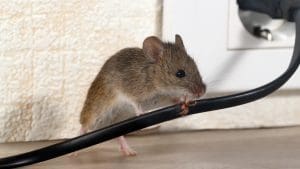
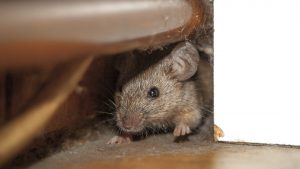
Mice, including the house mouse, are smaller but equally troublesome. They can thrive in various environments, from fields to homes.
Table of Contents
Identifying these rodents is crucial for effective control. Recognizing their physical traits and habits helps in managing them. Rodent infestations can lead to health risks and structural damage. Effective rodent control is essential for maintaining a safe environment. Understanding the types of rodents in Louisiana is the first step in managing them effectively.
Overview of Rodents in Louisiana
Louisiana’s environment provides an ideal habitat for numerous rodent species. They thrive in the state’s wetlands and urban areas.
The climate of Louisiana supports both native and invasive rodent species. This diversity presents unique challenges for control and management.
Common rodents in Louisiana include the nutria, Norway rat, roof rat, and various types of mice. Each has specific adaptations to survive in the local environment.
List of Common Rodents in Louisiana:
- Nutria: Large aquatic rodent
- Norway Rat: Common in urban settings
- Roof Rat: Prefers high places like attics
- House Mouse: Small but widespread
Understanding these rodents’ habits and habitats is crucial and aids in effective pest control strategies.
Managing rodent populations is not just about elimination. It’s also about maintaining an ecological balance in Louisiana. Public awareness and proper management strategies are vital for handling rodent infestations efficiently.
Nutria: Louisiana’s Invasive Giant
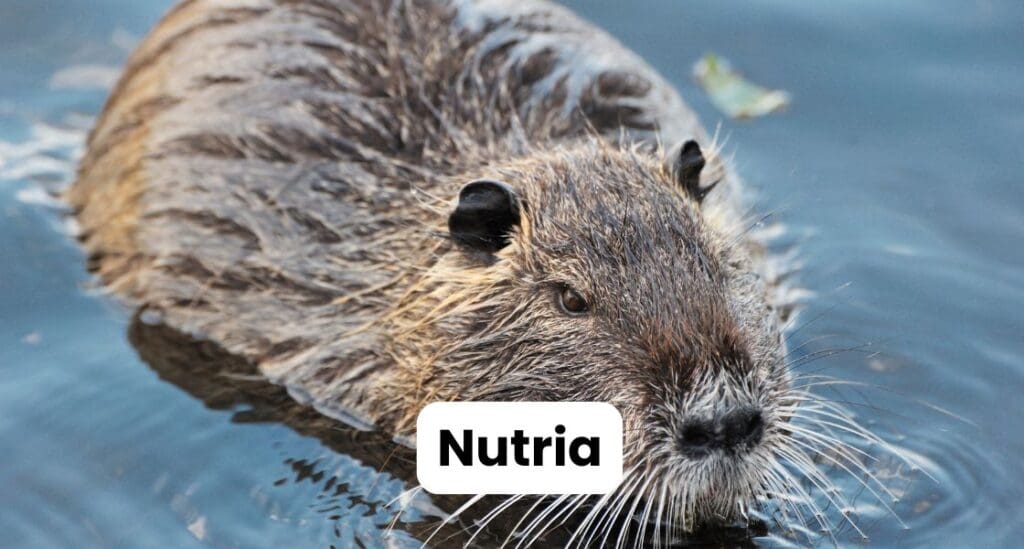
Nutria are large, semi-aquatic rodents that have made Louisiana their home. Originally from South America, they were introduced to the state in the 1930s for the fur trade. Since then, nutria populations have grown rapidly.
These rodents prefer habitats like marshes, swamps, and ponds. Their presence is often linked to significant environmental damage. Nutria consume vast amounts of vegetation, leading to the destruction of wetlands.
One distinctive feature of nutria is their orange teeth. They also have webbed hind feet, which aid them in swimming. These physical characteristics help in identifying nutria from other rodents.
Key Features of Nutria:
- Orange Teeth: A standout feature
- Webbed Hind Feet: Adapted for swimming
- Large Size: Bigger than many native rodents
- Aquatic Habitat: Prefer wetlands
Managing nutria populations is crucial due to their impact on Louisiana’s ecosystems. They undermine levees and other structures with their burrowing habits, leading to costly repairs.
Control efforts for nutria include trapping and hunting programs. The Louisiana Department of Wildlife and Fisheries is actively involved in these efforts. Public cooperation is also essential for successful management.
Efficient nutria control helps preserve the wetlands. It’s important to balance between necessary ecological measures and humane practices in rodent management. The nutria situation in Louisiana highlights the broader challenge of managing invasive species and maintaining ecological integrity.
Norway Rat: The Urban Burrower
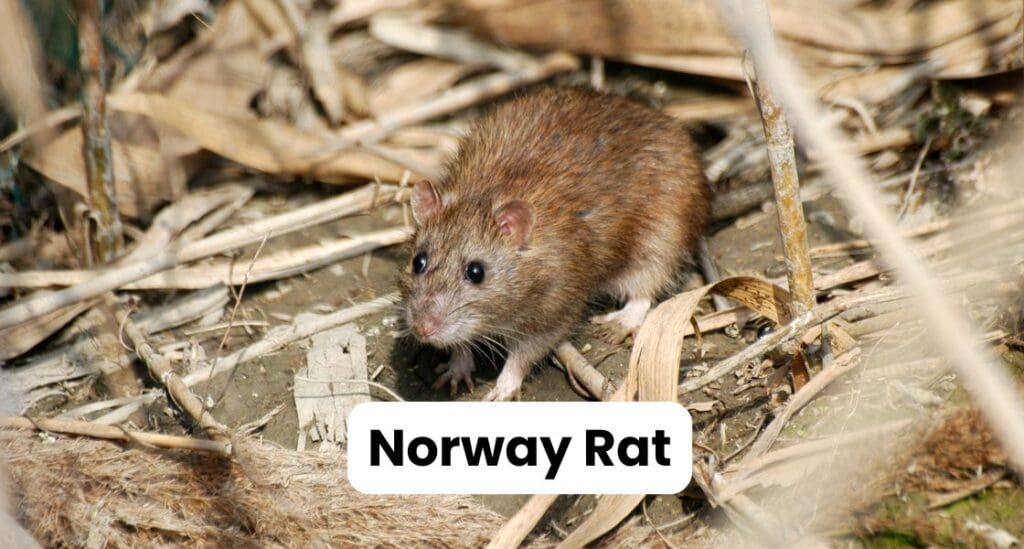
Norway rats, also known as brown rats, are a common sight in urban areas of Louisiana. These rodents are excellent burrowers, often creating extensive underground networks. They are particularly attracted to locations with ample food and water.
These rats are larger than roof rats, with a robust body and a tail shorter than their body length. Norway rats are nocturnal creatures, preferring to venture out at night in search of food.
Key Characteristics of Norway Rats:
- Color: Brown or grey
- Size: Larger and more robust than roof rats
- Habitat: Urban environments, often near water sources
- Behavior: Nocturnal and burrowing
Norway rats can gnaw through wood and plastic, causing structural damage to buildings. They are also known to contaminate food supplies and spread diseases. Therefore, controlling their population is crucial for urban pest management.
Effective methods for managing Norway rat populations include sealing entry points and reducing clutter that may serve as nesting sites. Public awareness and community involvement are critical in maintaining a rat-free environment in urban areas of Louisiana. With the right measures, the negative impact of these burrowing rodents can be significantly minimized.
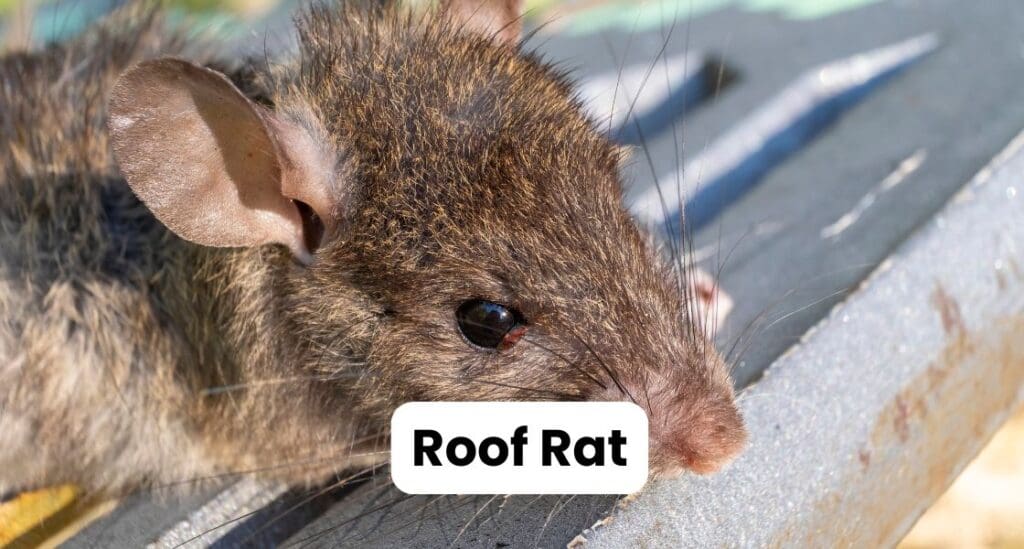
Roof Rat: The Agile Climber
Roof rats, or black rats, are known for their climbing prowess. These nimble rodents prefer high spaces, frequently found in attics, trees, and roof spaces. They are more slender compared to Norway rats, with tails longer than their bodies.
Key Characteristics of Roof Rats:
- Color: Black or dark brown
- Size: Slender, with long tails
- Habitat: High places like attics and trees
- Behavior: Nocturnal and excellent climbers
These rats are particularly fond of fruits, nuts, and seeds but can adapt to other available food sources. They can access buildings through overhanging branches and utility lines, making exclusion efforts vital.
Roof rats pose serious risks due to their ability to spread fleas and diseases. Limiting their access involves trimming trees away from roofs and sealing entry points. Homeowners should be vigilant in spotting signs of roof rat activity, including droppings and gnaw marks.
By understanding their habits, you can help safeguard your home from these agile invaders. Taking preventative actions early ensures a safer and healthier environment for everyone.
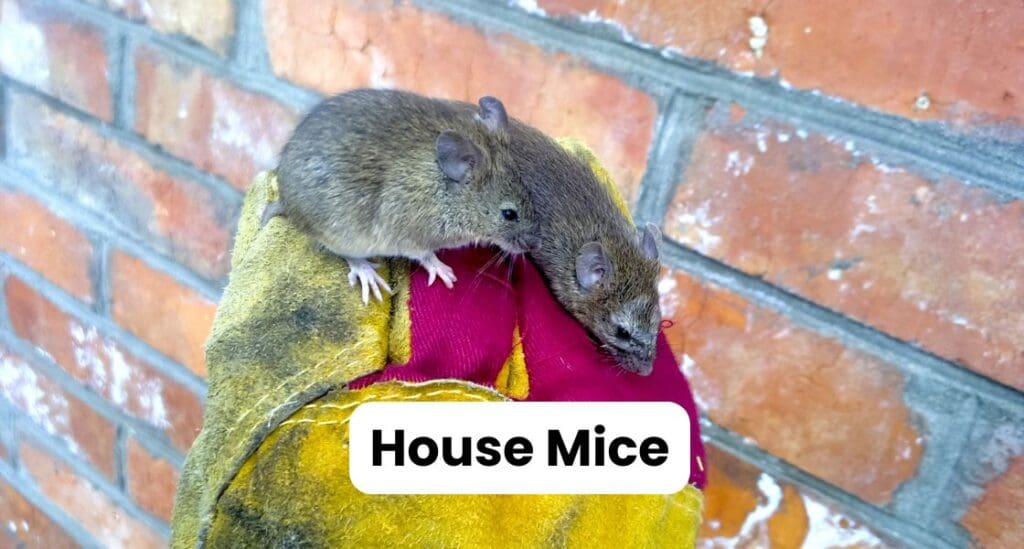
House Mouse and Other Common Mice
The house mouse is one of the most prevalent rodents in Louisiana. Known for its ability to adapt, this small rodent thrives in both urban and rural settings. It has a grayish-brown coat and a long, scaly tail.
Common Characteristics of House Mice:
- Color: Grayish-brown
- Size: Small, with long tails
- Behavior: Curious and social
- Reproduction: Rapid breeders
These mice are notorious for their curiosity. They often explore new environments in search of food and water, quickly establishing nests in homes. House mice can enter buildings through incredibly small gaps, squeezing through spaces as narrow as a quarter inch.
Mice can be problematic due to their high reproduction rates. A single female can produce several litters a year, each containing multiple young. Such rapid multiplication makes early detection and control crucial.
They prefer grains, seeds, and fruit but will eat almost anything when food is scarce. This adaptability makes them efficient survivors. Droppings, gnaw marks, and musky odors often indicate an infestation.
To get rid of mice effectively, sealing entry points and maintaining cleanliness are key. Removing clutter and storing food in secure containers also help reduce the appeal to these agile little invaders. Regular monitoring can prevent small issues from becoming significant problems.
Identifying Rodents in Louisiana
Proper identification of rodents is essential for effective control in Louisiana. Recognizing the physical traits and behaviors of different species aids in management strategies.
Key Identifying Features:
| Type of Rodent | Identifying Features |
|---|---|
| Nutria | Large size, orange teeth, webbed hind feet |
| Norway Rat | Robust body, coarse fur, blunt nose |
| Roof Rat | Slender build, long tail, pointed nose |
| House Mouse | Small size, long tail, rounded earsSmall size, long tail, rounded ears |
Nutria stand out with their unique orange teeth and semi-aquatic lifestyle. They are often confused with beavers due to their size and habitat.
Norway rats are bulkier compared to other rodents, favoring burrows and close proximity to ground-level spaces. Their presence often indicates an urban infestation.
Roof rats are agile climbers with a preference for elevated areas like attics and trees. They tend to avoid being close to the ground and instead roam in higher areas.
House mice exhibit a curious nature and adapt easily to new environments. Identifying these characteristics allows for targeted control measures, reducing the impact on homes and ecosystems.
The Impact of Rodents on Louisiana’s Ecosystem and Homes
Rodents cause significant disruption to both ecosystems and residential areas in Louisiana. They impact native wildlife, infrastructure, and even human health.
Nutria are especially damaging to Louisiana’s wetlands. They devour vegetation, leading to erosion and habitat loss for other species. This alters the landscape, making it less supportive for native flora and fauna.
In urban settings, rodents such as Norway and roof rats damage structures. Their gnawing can weaken wood, insulation, and even electrical wires. This poses serious risks of electrical fires and structural instability in homes.
Rodents can also contaminate food supplies, presenting health risks to humans. Diseases transmitted through rodent droppings and urine include leptospirosis and hantavirus.
Negative Effects of Rodent Infestations:
- Ecosystem Disruption: Nutria destroy wetland vegetation.
- Structural Damage: Rats gnaw wood and wires.
- Health Risks: Rodents spread diseases.
Awareness and proactive measures are essential in mitigating these impacts, protecting both homes and the environment.
Health Risks Associated with Rodents
Rodents carry several health risks that can impact humans. Diseases spread through direct contact, contaminated food, or droppings.
Hantavirus is one of the serious diseases linked to rodents. It is spread through urine and droppings, leading to respiratory issues. Leptospirosis, another health risk, is a bacterial infection that can affect the liver and kidneys.
In addition to diseases, rodents can trigger allergies. Their dander and droppings often cause respiratory problems, especially in sensitive individuals.
Key Health Risks:
- Disease Transmission: Such as hantavirus and leptospirosis.
- Allergies: Triggered by rodent dander.
- Food Contamination: Through droppings and urine.
Taking action to prevent and control rodent infestations helps in mitigating these health risks. It is essential for the well-being of households in Louisiana.
Effective Rodent Control Methods
Proper rodent control starts with prevention. Sealing entry points is crucial to keep rodents out. Inspect your home regularly for gaps and cracks.
Another vital step is removing food sources. Store food in airtight containers and clean up crumbs immediately. Ensuring garbage bins are tightly covered also deters rodents.
Trapping is an effective method to catch existing rodents. Use various traps, such as snap traps or live traps, depending on the species. Placement is key, so position them near rodent activity.
Baits can be used, but they require caution. Make sure baits are placed in tamper-proof stations to protect children and pets.
Effective Rodent Control Actions:
- Seal Entry Points
- Remove Food Sources
- Use Traps Appropriately
- Cautious Use of Baits
Combining these methods ensures a comprehensive approach. This reduces the rodent population and keeps them from returning. Consistent monitoring and management are essential to remain rodent-free.
When to Call Louisiana Pest Control Professionals
Rodent infestations can sometimes overwhelm homeowners. If your efforts prove ineffective, it’s time to consider professional help. Pest control experts have specialized knowledge and tools.
Signs you need professional assistance include persistent rodent activity or extensive structural damage. Health concerns are another reason to seek help. Professionals can assess the situation and address problems effectively.
Consider Professional Help When:
- DIY methods fail
- Health risks increase
- Severe damage is evident
Certified Louisiana pest control professionals offer comprehensive services. They ensure the eradication of rodents from your property. Their expertise guarantees safer and more efficient results, ensuring peace of mind.
Staying Rodent-Free in Louisiana
Managing rodent populations in Louisiana requires awareness and proactive measures. Understanding different rodent species helps in creating effective strategies to prevent and control infestations.
By keeping living areas clean, sealing possible entry points, and monitoring for signs of activity, residents can maintain rodent-free spaces. Engaging with professionals when necessary ensures safety and peace of mind. Together, these steps allow for a healthier environment, protecting both homes and the local ecosystem.