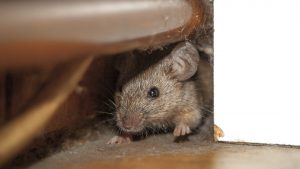
Rats are a persistent problem in Louisiana. The warm climate and abundant food sources make it an ideal habitat for these rodents. Dealing with a rat infestation can be daunting. But with the right knowledge and tools, you can effectively manage and prevent these unwelcome guests.
This guide provides practical solutions to get rid of rats, as well as other rodents in Louisiana. From identifying signs of infestation to choosing the best rat traps, we’ve got you covered. Learn how to protect your home and property. Discover effective rat control methods and prevention tips tailored for Louisiana’s unique environment. Stay informed and proactive. With the right approach, you can keep your space rat-free and safe.
Key Takeaways
- Early Detection is key. Look for signs like droppings and gnaw marks to identify infestations promptly.
- Prevention: Seal food, maintain cleanliness, and close entry points to prevent rat infestations.
- Use a mix of traps and natural deterrents for effective management.
- Collaborate with neighbors for long-term rat control strategies.
Table of Contents
Understanding the Rat Problem in Louisiana
Louisiana’s warm weather and rich food resources create a haven for rats. This results in frequent infestations across the state. Several factors contribute to the rat problem. Urban development and agriculture provide ample food and nesting sites for wildlife. Rats thrive in diverse environments. From cities to rural areas, they adapt quickly, worsening the infestation issue.
Key aspects of the rat problem include:
- Warm climate promotes breeding
- Abundant natural and human-made food sources
- Extensive shelter options in urban and rural settings
Understanding these factors is crucial for effective rat control. Tailoring solutions to address Louisiana’s specific conditions can significantly reduce infestations. By being aware of these underlying causes, you can better plan and implement control strategies. Knowledge of the local rat problem empowers homeowners to take proactive measures, ensuring long-term success in controlling rats.
Identifying Signs of a Rat Infestation
Identifying the early signs of a rat infestation is crucial for prompt action. Rats often leave clear indicators of their presence. Look for these signs in your home:
- Droppings in dark corners
- Gnaw marks on wires and furniture
- Scratching noises, especially at night
Also, watch for oily marks on walls and burrows near foundations. These are common paths rats use. Rats are nocturnal, so you might rarely see them during the day. However, if you do, this signals a severe infestation. Act promptly if you notice any of these signs. Identifying an infestation early can prevent extensive damage and make control efforts more effective.
Common Rat Species in Louisiana
Louisiana is home to several rat species, each with unique traits. The two most common types are the Norway rat and the roof rat. Here’s what you need to know:
- Norway Rat: Larger, prefers ground burrows, often found in basements.
- Roof Rat: Smaller, agile climbers, frequently seen in attics and trees.
Each species requires different strategies for control. Understanding their habits and habitats is crucial. This knowledge helps tailor effective rat control measures suitable for each type. Adapting your approach can make dealing with these rodents more successful.
Health Risks and Property Damage Caused by Rats
Rats are not just a nuisance; they pose severe health risks. They can carry and transmit diseases harmful to humans and pets. Key health concerns include:
- Leptospirosis: A bacterial infection causing flu-like symptoms.
- Hantavirus: Severe respiratory disease with no specific treatment.
- Rat-bite fever: Can result from direct contact or bites.
In addition to health threats, rats cause extensive property damage. They gnaw through insulation, walls, and electrical wires. This can lead to costly repairs, including the risk of electrical fires. Understanding these risks emphasizes the importance of effective rat control.
What Attracts Rats to Your Home or Property?
Rats invade homes in search of food, water, and shelter. Understanding what draws them is the first step in prevention. Common attractants include:
- Food scraps: Unsecured garbage and exposed pet food attract rats.
- Water sources: Leaky pipes and standing water provide hydration.
- Clutter and debris: Piles of wood, leaves, and other debris offer shelter.
By recognizing these attractants, you can make simple adjustments to reduce the appeal of your home or property to rats. Regular maintenance and cleanliness are essential to deter these rodents from settling in and around your property.
Prevention: How to Keep Rats Away
Preventing a rat infestation is much easier than handling an existing problem. Start by making your home less inviting to these pesky rodents. Eliminate their food sources by keeping food sealed and disposing of waste properly. Secure trash bins with tight-fitting lids and make sure pet food is stored indoors.
Basic Steps for Rat Prevention
- Remove outdoor clutter.
- Keep gardens well-maintained.
- Trim trees away from your house.
- Seal potential entry points such as holes and cracks in your walls, foundation, and roof. Even small gaps can serve as rat highways.
Rat Exclusion Steps
- Install door sweeps.
- Repair or replace window screens.
- Use metal mesh to block vents.
By being proactive with these strategies, you can significantly lower the chance of a rat problem. Implementing these measures not only protects your home but also minimizes stress and potential damage.
Sealing Entry Points and Exclusion Techniques
Sealing entry points is a crucial step in controlling rats. Rats are resourceful and can squeeze through small openings. To protect your home, focus on blocking these entryways. Start by inspecting your home for gaps and holes, both inside and out. Pay attention to spaces around pipes, vents, and utility lines.
Effective exclusion techniques include:
- Use caulk or steel wool to fill small gaps.
- Installing screens over vents and drains.
- Adding door sweeps to exterior doors.
By sealing off these access points, you deny rats the chance to invade your home. This proactive measure is essential for long-term rat control. Taking these steps can help maintain a rat-free environment.
Sanitation and Outdoor Maintenance Tips
Maintaining a clean environment is crucial for deterring rats. Proper sanitation deprives rats of the food and shelter they seek. Pay attention to both indoor and outdoor areas. Implement these sanitation tips:
- Store food in sealed containers.
- Regularly clean up food crumbs and spills.
- Keep trash bins tightly closed.
- Remove clutter and debris from your yard.
Outdoor maintenance also plays a role in rat prevention. Trim overgrown plants and keep grasses short to reduce hiding spots. Addressing these areas limits opportunities for rats to thrive. A tidy property is less attractive to these pests.
Using Rat Bait and Bait Stations Safely
Rat bait is an effective tool for managing rat populations. However, it’s essential to use it responsibly to ensure safety for pets and wildlife. When using rat bait, choose products labeled for household use. Place bait stations in areas where rat activity is observed. These stations protect non-target animals from accessing the poison. Regularly check and refill bait stations to maintain their effectiveness.
Consider these safety tips:
- Follow all product label instructions carefully.
- Place bait stations in secure, hidden locations.
- Always wear gloves when handling bait.
Responsible use of bait can significantly reduce your rat problem without harming other animals.
Choosing and Setting Effective Rat Traps
Choosing the right rat trap can make a huge difference in your rodent control efforts. Consider options such as snap traps, electronic traps, or live-catch traps. Each type offers unique benefits and should be chosen based on your specific needs. Placement is critical for success. Position traps along walls where rats are likely to travel, as they are more likely to encounter them. Use several traps to increase your chances of a quick capture.
When setting traps, keep these points in mind:
- Bait traps with peanut butter or dried fruit.
- Secure traps to prevent accidental movement.
- Check traps daily to dispose of caught rats promptly.
Using a combination of traps and strategic placement increases your odds of effectively removing rats from your property.
Natural and Humane Rat Control Methods
For those seeking natural and humane ways to manage rats, several options are available. These methods can be effective without harming the animals or the environment. Consider these approaches for a humane strategy:
- Peppermint oil: Deters rats with its strong scent.
- Ultrasonic devices: Use sound waves to ward off rodents.
- Humane traps: Safely capture and release rats.
These humane methods allow you to control rat populations while maintaining an eco-friendly approach.
When to Call Professional Rat Control Services
Sometimes, the rat problem may escalate beyond DIY solutions. This is when professional rodent control services become crucial. Call in the experts if you notice:
- Infestation signs persist despite efforts.
- Rats cause significant structural damage.
- The infestation is extensive and challenging to manage on one’s own.
Professional pest control can offer comprehensive solutions. They also bring expertise and advanced tools to handle severe infestations. Trusting skilled professionals can ensure thorough and long-term rat control.
Long-Term Rat Control Strategies
Collaboration is crucial in effectively managing rat populations. Communities can unite to tackle infestations for a broader impact. Key community-driven strategies include:
- Organizing neighborhood clean-ups to eliminate hiding spots.
- Sharing prevention tips and resources among residents.
- Coordinating with local authorities for large-scale control efforts.
Implementing long-term strategies is vital for sustained success. Proactive community engagement helps maintain a rat-free environment and prevent future infestations.
Staying Rat-Free in Louisiana
Living in Louisiana means dealing with a persistent rat challenge. By implementing effective prevention and control measures, you can safeguard your home. Consistent action is key to managing this issue. Remember, combining various methods increases your chances of success. Stay vigilant and maintain awareness of rat activities in your area. Through shared community efforts and informed practices, keeping your environment rat-free is a feasible goal. Your diligence will protect both health and property.