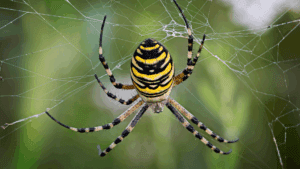
Wolf spiders are often found in Louisiana, and despite their large size and scary look, they are mostly harmless to people.
However, no one wants to see spiders roaming around their home. Understanding their behavior, habitat, and how to safely remove them is key to getting rid of wolf spiders.
To get rid of wolf spiders, it is essential to gain a thorough understanding of their characteristics and behaviors. This knowledge will help identify them and implement the right control measures.
Table of Contents
How to Identify Wolf Spiders
Wolf spiders belong to the Lycosidae family and are known for their robust bodies and swift movements. They are one of the most diverse groups of spiders, with over 200 species in North America alone.
Unlike many other Louisiana spiders, they do not spin webs to catch their prey. Instead, they are hunters, chasing down their meals, which primarily consist of insects.
Their ability to hunt effectively is aided by their outstanding eyesight, which ranks among the best in spiders due to their large, front-facing eyes.
Wolf spiders vary in size and color, but they generally have a hairy appearance, which can make them look quite menacing. Their bodies can range from half an inch to over two inches in length.
Their colors are usually brown, gray, or black, often featuring distinctive markings or stripes that allow them to blend into their natural surroundings. This camouflage is crucial for both hunting and avoiding predators.
Louisiana Wolf Spider Habitat
In Louisiana, wolf spiders are typically found in fields, gardens, and wooded areas. They prefer spots where they can easily search for insects, so they’re usually found in areas with abundant plant life.
Inside homes, they tend to hide in dark, undisturbed areas like basements, garages, and under furniture. They prefer these locations because they provide shelter and access to prey, such as insects that find their way indoors.
Wolf spiders are highly adaptable and can thrive in various environments. Their resilience allows them to survive in both urban and rural settings, adjusting their hunting and hiding tactics accordingly. In urban areas, they may be found in parks and gardens, while in rural regions, they might be more common in fields and forests. This ability to adapt makes them a successful species, but also a frequent household intruder.
Understanding Wolf Spider Behavior
Wolf spiders are nocturnal, meaning they are most active at night. This nocturnal lifestyle reduces their chances of encountering predators and increases their hunting success. They have excellent eyesight, which aids in their hunting.
Despite their fearsome reputation, they are generally not aggressive towards humans and will only bite if threatened. Their bites are usually a defensive mechanism, and they prefer to retreat rather than confront.
Wolf spiders are solitary creatures and do not live in communal webs like some other spider species. They are independent hunters, relying on stealth and speed to capture their prey. Because of their solitary nature, you rarely see them in large groups, which makes an infestation improbable unless conditions are very favorable.
Are Wolf Spiders Dangerous?
It’s essential to understand the possible dangers of wolf spider bites to reduce worries and to know when to seek medical help.
Wolf spider bites are not considered dangerous to humans. Their venom is not potent enough to cause significant harm. The venom primarily serves to immobilize their prey and is not designed to affect larger creatures like humans. Therefore, the effects on humans are generally mild.
Symptoms of a bite may include mild swelling, redness, and itching, similar to a bee sting. These symptoms are usually temporary and subside within a few days. However, individuals with sensitive skin or allergies may experience more pronounced reactions.
Although wolf spider bites are usually not dangerous, you should consider getting medical help if you have strong reactions like trouble breathing, feeling dizzy, or experiencing severe pain.
These symptoms could indicate an allergic reaction or infection, which requires professional treatment.
How to Prevent Wolf Spider Infestations
Prevention is the best strategy for keeping wolf spiders out of your home. By taking proactive measures, you can minimize the chances of an encounter
-
Seal entry points
Seal potential entry points around windows, doors, and the foundation of your home with caulk and door sweeps.
-
Inspect and maintain seals
Regularly inspect and maintain seals to ensure they remain effective.
-
Check for entry points
Check the exterior of your home for cracks, loose siding, and gaps around utility lines.
-
Keep areas clean
Regularly clean and declutter your home, especially storage areas like garages and basements.
-
Organize storage areas
Organize storage spaces and use sealed containers to limit hiding spots.
-
Establish a cleaning routine
Establish a cleaning routine that includes vacuuming, dusting, and sweeping to remove spiders and food sources.
-
Focus on corners
Focus on corners and less accessible areas when cleaning.
-
Keep your yard trimmed
Maintain your yard by trimming overgrown vegetation and removing piles of leaves.
-
Get rid of hiding places
Store firewood away from the house to reduce spider habitats. Regularly mow the lawn and trim bushes to make the area less attractive to spiders.
-
Control outdoor lighting
Ensure outdoor lighting does not attract insects, which can lead to spider attraction.
Natural Wolf Spider Repellents
Natural repellents can be an effective and environmentally friendly way to deter wolf spiders from entering your home.
Essential Oils
Certain essential oils, such as peppermint, eucalyptus, and tea tree oil, are natural spider repellents. Mix a few drops with water in a spray bottle and apply it around windows, doors, and other entry points. The strong scent is unpleasant to spiders and can help keep them at bay.
Experiment with different combinations of essential oils to find the most effective blend for repelling spiders. Some people have found success with additional oils like lavender or citrus, which also have repellent properties. Regularly reapply the spray, especially after cleaning or rain, to maintain its effectiveness.
Vinegar
A mixture of vinegar and water can also deter spiders. The strong odor is unpleasant to them, making it an effective repellent. Spray it in areas where spiders are likely to enter or hide. Vinegar is an inexpensive and readily available option for those looking to avoid chemical repellents.
Beyond repelling spiders, vinegar has other household uses, such as cleaning and disinfecting surfaces. Its versatility makes it a practical choice for those seeking a multipurpose solution. Be mindful of its strong scent, which may be off-putting to some people as well.
Diatomaceous Eart
Diatomaceous earth is a natural powder that can eliminate spiders by dehydrating them. Sprinkle it in areas where you suspect spider activity, such as along baseboards and in corners. It is a safe option for households with pets and children, as it is non-toxic when used correctly.
For best results, apply diatomaceous earth in a thin, even layer. Avoid creating large clumps, as spiders are less likely to come into contact with it. Regularly check and replenish the application, particularly after cleaning or if it becomes disturbed.
How to Remove a Wolf Spider Humanely
If you encounter a wolf spider in your home, there are humane and effective methods for removing them without harm.
If you find a wolf spider in your home, consider catching and releasing it outside. Use a jar or a cup to trap the spider, then slide a piece of paper underneath to secure it. Release the spider in a garden or wooded area away from your home. This method allows the spider to continue its beneficial role in the ecosystem.
When capturing a spider, remain calm and approach slowly to avoid startling it. Use a container with a wide opening to make it easier to trap the spider without harming it. If you’re uncomfortable handling the spider, ask a friend or family member for assistance.
If you’re dealing with a severe infestation, it may be necessary to contact a professional pest control service. They can provide a comprehensive solution to eliminate spiders and prevent future infestations. Professional services can also offer advice on preventing other pest issues that may attract spiders.
When selecting a pest control service, look for companies that use environmentally friendly and humane methods. Ask about their experience with spider control and request references or reviews from past customers.
A reputable pest control service for spiders will be transparent about its practices and provide clear communication throughout the process.
Know When to Call a Professional Pest Control Service for Spiders
Wolf spiders, while alarming in appearance, play a beneficial role in controlling insect populations.
If these creatures start to invade your home, learning about their habits and environments is the initial step in controlling them.
By employing preventative measures and natural repellents, you can effectively keep wolf spiders at bay. Remember, if you’re ever unsure or overwhelmed, professional pest control services are always an option.
By following these steps, you not only control spider numbers but also ensure a more pleasant and pest-free home.