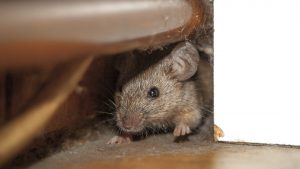
Mice are a common nuisance in Louisiana. The warm climate and abundant food sources make it an ideal habitat for these pests. They can invade homes, causing damage and spreading diseases. Getting rid of mice requires a strategic approach. Identifying entry points and sealing them is crucial.
Prevention is key to keeping your home mouse-free. This guide will provide practical solutions for mouse control. You’ll learn how to spot signs of an infestation and effective ways to eliminate them. From natural deterrents to professional pest control, we cover it all. Stay informed and protect your home. Let’s explore how to get rid of mice in Louisiana.
Key Takeaways
- Seal entry points to prevent mice from entering your home.
- Keep living spaces tidy and store food in airtight containers to eliminate attractions for mice.
- Use traps and repellents for effective mouse control.
- Seek expert help for severe infestations or if DIY methods are ineffective.
Table of Contents
Why Mice Are a Problem in Louisiana
Mice, like other rodents in Louisiana, thrive in the warm and humid climate. These conditions provide an abundance of food and shelter sources for mice. As a result, they reproduce quickly and infest homes. Mice pose significant risks to health and property. They can chew through electrical wires, causing fires.
Additionally, they contaminate food supplies by leaving droppings and urine. Disease transmission is another concern with mouse infestations. They can carry Hantavirus, Salmonella, and other bacteria. These diseases pose a severe health risk to residents and their pets.
Several factors make homes in Louisiana attractive to mice:
- Abundant food sources
- Warm, sheltered areas
- Easy access through small openings
Therefore, understanding the reasons mice are attracted to homes is essential. This knowledge can help homeowners implement effective prevention strategies to keep their properties free from mice. Utilize both preventive and control measures to manage these pests effectively.
Signs of a Mouse Infestation
Detecting mice early can save both time and money. Knowing the signs of a mouse infestation helps in taking prompt action. Mice leave behind several telltale signs when they invade a home. Look for droppings in drawers, cupboards, and under sinks. Mouse droppings are small, dark, and rice-shaped. Finding them frequently signals a significant infestation.
Noise is another clear indication of mice. Scratching sounds, especially at night, often indicate the presence of mice in walls or attics. Mice are nocturnal, so they are more active after dark. Other signs to watch for include:
- Gnaw marks on food packaging or furniture
- Nests made from shredded paper or fabric
- Grease marks along walls and baseboards
- Unexplained holes in walls or floors
Regular inspections, particularly in basements and attics, can help detect these signs early. Quick response is crucial to minimizing damage and risk.
Common Entry Points for Mice
Mice enter homes seeking food, warmth, and shelter. Understanding their entry points helps in blocking access effectively. Mice can squeeze through tiny gaps due to their flexible bodies. Typical entry points include gaps in windows and doors. Even small cracks in the foundation can provide a means of access. Mice can also invade through vents and poorly sealed utility lines.
To effectively mouse-proof your home, check these potential entry points:
- Cracks in the foundation or walls
- Gaps under doors
- Openings in or around windows
- Unscreened vents or chimneys
- Unsealed utility lines or pipes
Routine inspections and maintenance can help identify and seal these entry points. Sealing gaps using materials like steel wool or caulk can prevent mice from entering. Paying attention to these details can significantly reduce the risk of infestations.
How to Get Rid of Mice: Step-by-Step Guide
Getting rid of mice in Louisiana requires a systematic approach. Start by identifying the extent of the infestation. Look for droppings, gnaw marks, or unusual noises to gauge the severity.
1. Identify Entry Points
Inspect your home thoroughly. Seal any cracks or gaps to block entry. Use materials like caulk or steel wool to reinforce vulnerable areas.
2. Set Traps Strategically
Place traps in areas where mice are active. Snap traps are effective for quick results. Check traps frequently and reposition them as needed for optimal results.
3. Use Bait Stations Cautiously
Bait stations can help control larger infestations. Choose tamper-resistant stations to protect pets and children. Ensure their placement is away from common areas.
4. Maintain a Clean Environment
Keep your home clean and clutter-free. Store food in airtight containers. Regular cleaning reduces the chances of mice finding hidden spots to nest.
5. Utilize Natural Repellents
Natural deterrents, such as peppermint oil, can be used to repel mice. Soak cotton balls in oil and place them around entry points. This method is eco-friendly and safe.
6. Employ a Combination of Methods
For greater success, use a mix of strategies. Combine traps, natural repellents, and cleanliness for a comprehensive approach. This method boosts your chances of eliminating the mice.
7. Monitor and Adjust Tactics
Consistent monitoring is key to effective mouse control. Adjust your strategies based on observed mouse activity. Persistence ensures that the mice are eradicated and don’t return.
By following these steps, you can effectively manage and eliminate a mouse infestation. Use patience and persistence for long-term success. Implement preventive measures to maintain a mouse-free home in the long run.
Mice in Attic and Walls
Mice often choose attics and walls as their homes. These areas offer warmth and safety away from human activity. Addressing infestations here requires unique strategies to be effective. One primary concern is damage to insulation and wiring. Mice are notorious for chewing through materials, which can potentially cause costly repairs. Listening for noises can help identify their locations and activity levels.
Accessing these areas can be challenging. Mice can hide in hard-to-reach places, making inspection tricky. Using a flashlight and a mirror can help spot hidden nests or droppings. Consider the following when dealing with mice in attics or walls:
- Block Entry Points: Seal gaps with materials mice can’t chew through.
- Use Specialized Traps: Choose traps designed for confined spaces.
- Regular Inspections: Conduct frequent checks for signs of activity.
- Professional Assessment: Hire experts for severe infestations.
Handling mice in these secluded spaces requires patience and ingenuity. Regular maintenance and monitoring are essential to prevent future issues. By taking proactive measures, you can protect these vulnerable areas from mice.
Mice Prevention Tips for Louisiana Homes
Preventing mice from entering your home is crucial, especially in Louisiana’s warm climate. A few preventive measures can effectively deter these pests. Start by sealing entry points. Check foundations and walls for gaps or holes. Use steel wool or metal mesh to block these openings. This simple step can prevent easy access for mice.
Home Maintenance Tips:
- Regularly inspect and repair roof and siding damage.
- Install door sweeps on exterior doors.
- Use mesh screens over all vents and chimneys.
Maintain a clean and clutter-free living space. Mice thrive in places with ample hiding spots. By reducing clutter, you minimize potential habitats for pests.
Food Storage Tips:
- Store food in airtight containers.
- Clean crumbs and spills immediately.
- Keep pet food sealed and inaccessible.
Engage your family in prevention. Teach children about keeping areas tidy and not leaving food out to waste. The whole household’s involvement strengthens your mouse-prevention efforts. By using these easy tips, you can lower the chance of mice in your Louisiana home. Regular maintenance and cleanliness are key to a mouse-free environment.
Natural and Chemical Mouse Control Methods
When it comes to mouse control, both natural and chemical methods offer viable solutions. Natural processes are often preferred for eco-friendly reasons. Peppermint oil is a popular natural repellent. Mice dislike its strong scent. Place a few drops on cotton balls and position them near suspected entry points or areas of concern.
Natural Methods:
- Use peppermint oil as a repellent.
- Adopt a cat, as they are natural predators.
- Sprinkle cayenne pepper near entrances to deter mice.
Chemical options, although effective, should be used with caution. Snap traps and electronic traps offer quick results, but they require careful placement to prevent harm to pets or children. Bait stations with rodenticides are also effective. However, they demand utmost caution. Always follow safety guidelines when handling these substances to prevent accidents and injuries. Combining natural and chemical methods can enhance efficacy. Tailor your approach to match your specific infestation situation for the best results.
When to Call Professional Pest Control for Mice
Severe infestations often require professional rodent control services. If DIY methods fail, it’s wise to consult experts. Professionals have access to advanced tools and treatments, ensuring thorough elimination. They also know how to handle particularly tricky situations, like mice nesting in hard-to-reach places.
Consider calling a professional if:
- You’re unable to locate entry points.
- DIY methods are ineffective in reducing the number of mice.
- You notice extensive property damage.
Peace of mind is crucial when dealing with pests. Professionals not only remove mice but also offer prevention tips. Their expertise can make a significant difference in maintaining a mouse-free home.
Keeping Your Louisiana Home Mouse-Free
Effectively managing mice requires a blend of prevention and intervention. Start by securing entry points and maintaining cleanliness. Implement both traps and natural deterrents for optimal results. By being proactive, you can protect your home and ensure it’s mouse-free. Remember, persistent efforts yield the best outcomes in managing unwanted pests. Keep learning and adapting your strategies to stay ahead.