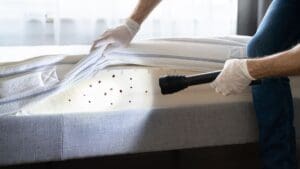
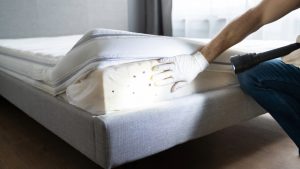
Bed bugs are a growing concern for many residents in Louisiana. These tiny pests can cause big problems. They thrive in warm, humid climates, making Louisiana an ideal home.
Understanding bed bugs is the first step in combating them. They are small, reddish-brown insects that feed on blood. Their bites can cause itching and discomfort.
Bed bugs are not just a nuisance. They can be difficult to detect and even harder to eliminate. They hide in mattresses, bed frames, and furniture.
Infestations can spread quickly if not addressed. Early detection is crucial to prevent a small problem from becoming a large one. Knowing the signs of bed bug infestation can help.
Table of Contents
DIY methods can be effective for minor infestations. However, professional bed bug control and treatment are often necessary for complete removal. Bed bug control requires a comprehensive approach.
Prevention is key to avoiding future infestations. Regular inspections and cautious behavior can help. Educating yourself about bed bugs can empower you to take action.
Understanding Bed Bugs: What Are They?
Bed bugs are parasitic insects that belong to the family Cimicidae. They are notorious for their ability to hide well and multiply quickly. Typically, bed bugs are about the size of an apple seed.
These insects primarily feed on blood, which is essential for their survival. Their diet consists solely of human or animal blood, which they obtain at night. Bed bugs are wingless, but they are agile crawlers.
Despite their small size, bed bugs can cause significant discomfort. Their bites often result in itchy, red welts on the skin. Some individuals may experience allergic reactions to the bites.
Here are some key features of bed bugs:
- Reddish-brown color
- Flat and oval-shaped bodies
- About 5 to 7 millimeters in length
- Mostly active at night
Understanding the behavior and characteristics of bed bugs is essential. This knowledge aids in early detection and effective control. Comprehensive awareness can prevent infestations.
Why Are Bed Bugs a Problem in Louisiana?
Louisiana’s warm and humid climate creates an ideal environment for bed bugs. These conditions enable them to thrive throughout the year. This makes infestations more persistent and challenging to control.
Many factors contribute to the prevalence of bed bugs in Louisiana. High tourism rates and dense population areas increase the likelihood of infestations. People traveling in and out of the state can spread these pests easily.
Bed bugs are resilient creatures, which adds to the problem. They can survive for several months without feeding. This makes eradication efforts particularly difficult. A few bed bugs can multiply into a full-blown infestation quickly if not addressed.
Reasons why bed bugs are a major concern in Louisiana:
- Favorable warm, humid climate
- High tourism and population density
- Resilience and long survival periods without feeding
Being informed about these factors is crucial for prevention and control. Awareness and vigilance can help mitigate the bed bug issue in this region.
The Bed Bug Lifecycle: From Egg to Adult
Understanding the bed bug lifecycle is key to effective control. These pests undergo several stages from egg to adulthood. Each stage has its challenges for management.
Egg Stage
The lifecycle begins with the female bed bug laying eggs. Eggs are tiny, white, and almost invisible. They hatch within 6 to 10 days, releasing nymphs.
Nymph Stage
Nymphs go through five molts before becoming adults. This period can last several weeks. Their growth depends on regular blood meals.
Adult Stage
Once nymphs mature, they become adult bed bugs. Adults can live for several months, feeding on blood. They continue reproducing, adding to the infestation.
Key stages of the bed bug lifecycle include:
- Eggs: Laid by females, hatch in 6-10 days
- Nymphs: Undergo five molts, require regular feeding
- Adults: Live for several months, capable of reproduction
Comprehending each stage can aid in targeting bed bugs effectively. This knowledge is crucial for timing treatments and interventions properly. Addressing the problem at the source helps prevent recurring infestations.
Bed Bug Diet: What Do Bed Bugs Eat?
Bed bugs have a simple diet, feeding exclusively on blood. They prefer human blood but can also consume blood from animals when needed. This diet sustains them throughout their lives.
These pests typically feed at night while their host is asleep. Bed bugs are attracted to the warmth and carbon dioxide emitted by sleeping humans. Their feeding process can last anywhere from three to ten minutes.
Key elements of the bed bug diet include:
- Primary Source: Human blood
- Alternative: Animal blood
- Feeding Time: Usually at night, during sleep
This narrow dietary preference makes their presence especially problematic. Recognizing feeding patterns is vital for managing infestations effectively.
Where Do Bed Bugs Come From?
Bed bugs have been around for centuries, hitchhiking their way around the world. They travel through luggage, clothing, and second-hand furniture. Hotels, motels, and public transport are common starting points for bed bug invasions.
Their small size allows them to hide in crevices and folds. This makes them hard to find and easy to transport unknowingly. Once inside a home, bed bugs can rapidly spread to different rooms and areas.
Key ways bed bugs enter your home include:
- Travel Luggage: Picking up bugs during trips
- Second-Hand Furniture: Buying used items infested with bugs
- Clothing: Coming into contact in public spaces
Understanding how they spread can help prevent introductions of these pests into your living spaces.
Common Infestation Spots in Louisiana Homes
In Louisiana, bed bugs often seek refuge in warm areas with easy access to humans. Their primary targets are sleeping and resting areas due to their feeding habits. They tend to hide close to their food source for convenience.
These pests commonly inhabit:
- Mattresses and Bed Frames: Hidden in seams and joints
- Upholstered Furniture: Inside cushions and under fabric
- Baseboards and Wallpaper: In cracks and behind loose paper
Moreover, bed bugs can infiltrate electrical outlets and picture frames. These secluded spots offer safety and proximity to their hosts. As nocturnal feeders, they rest during the day and emerge at night.
Detecting these tiny invaders requires vigilance. Regular inspection of the above areas is critical. Catching them early can prevent a minor issue from escalating into a full-blown infestation.
Signs of Bed Bug Infestation
Identifying a bed bug infestation early can prevent discomfort and larger problems. One major sign is small blood stains on your sheets. These occur when engorged bugs are crushed during sleep.
Dark Colored Spots
Another clear indicator is dark, rust-colored spots. These are bed bug excrement, typically found on sheets and mattresses. These spots may also appear on walls and furniture.
Musty Odors
Bed bugs emit a distinct musty odor when in large numbers. If you smell this scent in your bedroom, check for other signs. It’s an unmistakable, unpleasant odor that some describe as a sickly sweet scent.
Itchy Welts or Bites
Finally, itchy welts or bites on your skin could suggest an infestation. Bed bug bites often appear in clusters or in a line. If you notice these marks, inspect your sleeping area carefully. Discovering these clues early can make removal easier and less costly.
Health Risks and Concerns
While bed bugs do not transmit diseases, their bites can lead to health concerns. The primary issue is the itching that bed bug bites cause. Persistent scratching can lead to open wounds and possible infections.
Allergic reactions are another potential risk. For some, bites may trigger severe skin reactions. Symptoms include swelling and redness, requiring medical attention.
Potential health issues from bed bugs include:
- Itching and skin irritation: Bites can be very itchy and cause skin discomfort.
- Allergic reactions: Some people experience severe reactions to bites.
- Sleep disruption: Bites and anxiety about bed bugs can disturb sleep.
Addressing infestations promptly helps minimize these health impacts.
DIY Bed Bug Control: What You Can Do
Taking action against bed bugs with DIY methods is possible and can be effective. The first step involves thorough cleaning. Vacuuming areas where bed bugs may reside helps remove them and their eggs.
Heat is a powerful weapon in bed bug control. Washing and drying linens and clothes at high temperatures kills them. Use a steam cleaner for upholstered furniture and mattresses to reach deep within fabric fibers.
Barrier methods can also play a role. Encase mattresses and box springs with bed bug-proof covers to trap them and prevent reinfestation. Additionally, regular inspection of these areas is crucial.
Key DIY strategies for bed bug control include:
- Vacuuming: Focus on cracks and crevices.
- Heat treatment: Utilize hot water and steam.
- Protective encasements: Shield mattresses and box springs.
- Frequent inspections: Check hotspots regularly.
These methods require diligence and patience. While DIY efforts can control bed bugs, severe infestations may still necessitate professional intervention.
Professional Bed Bug Removal and Treatment Options
For persistent infestations, professional services offer a range of effective solutions. Pest control experts are equipped to handle severe cases, minimizing the chance of recurrence. They employ methods tailored to each situation.
Heat treatments are among the most effective professional options. This approach involves raising room temperatures to lethal levels for bed bugs. It’s a chemical-free method that penetrates all areas of a home.
Chemical treatments, using insecticides, are another option. Professionals apply these in precise amounts, targeting bed bugs without harming residents. These treatments must be done correctly to ensure effectiveness.
In certain cases, a combination of heat and insecticides provides the best results. Pest control companies might also use traps and monitoring devices as part of their strategy.
Key professional options include:
- Heat treatments: Lethal temperatures eliminate bed bugs.
- Chemical insecticides: Targeted application of approved treatments.
- Integrated methods: Combination of heat and chemicals.
- Use of traps: Monitoring to prevent reinfestation.
Professional intervention ensures comprehensive bed bug eradication and ongoing prevention support.
How to Get Rid of Bed Bugs: Step-by-Step Guide
Eliminating bed bugs requires a detailed approach. Start by thoroughly inspecting your home to identify all infested areas. This initial step is crucial to ensure successful removal.
Next, focus on cleaning the infested spaces. Begin by vacuuming the affected areas, such as mattresses and upholstery, to remove bed bugs and their eggs. Dispose of vacuum bags immediately to prevent re-infestation.
Following cleaning, take preventive measures to protect your bedding. Use bed bug-proof covers on mattresses and box springs. These encasements trap any remaining bugs and prevent new ones from reaching the fabric.
Consider chemical treatments for severe infestations. Apply bed bug-specific insecticides, following all safety instructions. DIY solutions may work, but professional expertise often provides more reliable results.
Here’s a summarized list of steps:
- Inspect all potential infestation areas.
- Clean thoroughly with vacuuming.
- Use covers on beds and furniture.
- Apply treatments for thorough eradication.
Bed Bug Prevention Tips for Louisiana Residents
Preventing bed bugs in Louisiana requires vigilance and routine habits. Regular inspections of living spaces can help detect problems early, reducing the risk of large infestations. Early discovery is key to effective prevention and control, and helps avoid the potentially expensive costs of bed bug control.
Minimize clutter in your home to reduce hiding spots for bed bugs. Keep belongings organized and off the floor, particularly in bedrooms. Tidy living spaces make bed bug monitoring easier and reduce potential nesting areas.
When acquiring second-hand items, be cautious. Inspect used furniture and clothing thoroughly before bringing them into your home. This can prevent unknowingly introducing bed bugs into your living spaces.
Here are some additional tips:
- Inspect regularly for any signs of bed bugs.
- Declutter to reduce potential nesting spots.
- Examine second-hand items carefully.
- Encasements can act as a barrier on beds.
- Seal cracks in walls and floors.
By incorporating these practices, residents can better protect themselves from bed bug invasions.
Staying Bed Bug-Free in Louisiana
Living in Louisiana, prevention is key to keeping bed bugs at bay. Regularly inspect your home for any signs of these pesky insects.
Prompt action can stop small problems from escalating into major infestations. Remember to use protective measures and keep a vigilant eye on potential hotspots.
Understanding the habits and lifecycle of bed bugs empowers you to take effective actions. Stay informed and proactive to enjoy a bed bug-free home.