Winter can be a challenging time for managing energy bills. As temperatures drop, heating costs rise, putting a strain on household budgets. However, there are effective ways to keep these costs under control. By making smart adjustments, you can enjoy a warm home without breaking the bank.
Simple adjustments, such as optimizing your thermostat settings, can result in substantial savings. Insulation improvements and sealing drafts are also key strategies. This guide will provide you with practical winter home tips. You’ll learn how to achieve winter energy savings and keep your home cozy. Let’s explore how you can save money on your winter energy bills.
Why Winter Energy Savings Matter
High energy bills during winter can disrupt financial stability. With heating being a significant part of home expenses, smarter usage is essential. Saving energy is not only about reducing costs; it also lessens environmental impact by minimizing energy consumption and carbon footprint. You contribute to a greener planet.
Consider the benefits of winter energy savings:
- Lower monthly expenses for energy.
- Reduce carbon emissions from your home.
- Increased comfort without additional spending.
Implementing energy-efficient practices yields both immediate and long-term benefits. Investing in energy efficiency can also enhance property value by making it more appealing to future buyers.
Optimize Your Thermostat for Maximum Savings
A thermostat is more than a temperature controller; it’s a vital energy-saving tool. Adjust it wisely to see notable reductions in your bills. Consider lowering your thermostat by 7-10 degrees for 8 hours daily. This simple step can save up to 10% annually on heating costs.
Programmable thermostats offer convenience and efficiency. They can automatically adjust the temperature when you’re asleep or away from home. Here’s how to optimize thermostat use:
- Set schedules based on your daily routine.
- Utilize night settings to save energy while you sleep.
- Incorporate vacation settings when you’re not home.
Smart thermostats take optimization further with remote access and geofencing features. These innovations help maintain comfortable settings while minimizing energy waste. Remember to educate family members on the importance of following these settings. This ensures everyone contributes to energy savings goals and maintains consistency.
Insulation: The Key to a Warm, Efficient Home
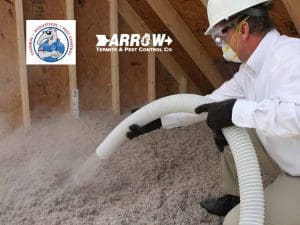
Insulation forms the backbone of a cozy winter home. It prevents warm air from escaping and stops cold air from seeping in. This reduces the workload on your heating system, leading to energy savings. Proper insulation can be a game-changer. Focus on areas like the attic, walls, and floors. These are crucial spots where heat commonly escapes. Ensure they are well-insulated to maximize benefits.
Weatherstripping is another effective way to keep warmth inside. Applying it around doors and windows enhances insulation and minimizes drafts. This small effort offers significant energy savings. Consider insulating hot water pipes. This lowers heat loss and keeps water hot longer, allowing you to use less energy.
Insulation improvements not only reduce energy bills but also enhance overall comfort and well-being. Here are some quick tips:
- Add weatherstripping to windows and doors.
- Insulate your attic, walls, and floors effectively.
- Consider upgrading to energy-efficient windows.
When implemented effectively, insulation upgrades can result in a warm, energy-efficient home environment that is easy to maintain.
Tap Pest Control Insulation: Dual Benefits
Tap Pest Control Insulation presents an innovative dual-purpose solution. It combines standard insulation with a pest control feature, offering both energy efficiency and a bug-free space. This insulation type can safeguard homes from common pests while maintaining warmth. It’s a proactive step towards reducing energy costs and pest management issues.
Benefits of Tap Pest Control Insulation include:
- Dual function: insulation and pest control.
- Long-term energy savings and pest deterrence.
- Enhanced home comfort and protection.
Such solutions offer peace of mind, along with financial savings, making them a worthwhile consideration for homeowners seeking to improve their home’s energy efficiency.
Seal Leaks and Stop Drafts
Sealing leaks and stopping drafts are crucial for winter energy savings. Small gaps around windows and doors can cause significant heat loss. Identifying and addressing these issues is essential to maintaining a warm home. Begin by inspecting the exterior of your home for cracks. Pay special attention to areas where different materials meet. Sealing these gaps with caulk can prevent unwanted cold air from entering.
Next, focus on the interior. Use draft stoppers at the base of doors to prevent cold air from entering. Consider applying weatherstripping around windows and doors to improve overall insulation. Addressing leaks and drafts can dramatically lower heating costs. Here are some practical steps to follow:
- Apply caulk to exterior gaps and cracks.
- Use draft stoppers on door bases.
- Weatherstrip windows and doors.
These small changes can significantly impact your energy consumption, making your home more comfortable and cost-effective during the winter months.
Smart Winter Home Tips for Everyday Savings
Small daily habits can add up to significant winter energy savings. By being mindful of energy use, you can reduce costs and keep your home cozy. Implementing effective strategies is easier than you might think. Firstly, use heavy curtains or thermal drapes. They help to trap heat inside, especially during nighttime. Opening them during the day allows sunlight to warm your home naturally.
Next, focus on air circulation. Reverse your ceiling fans to push warm air down. This helps distribute heat more evenly throughout the rooms. Adopt these simple daily habits:
- Open curtains during daylight for natural warmth.
- Use heavy or thermal curtains to retain heat.
- Reverse ceiling fan blades to distribute heat.
Additionally, control heater usage by keeping vents and radiators clear of obstructions. This ensures heat flows freely, reducing the need to set the thermostat higher. Educate family members about the importance of these practices to maximize energy savings. Implementing these smart winter home tips requires little effort but can lead to substantial savings. Consider also keeping the doors to unoccupied rooms closed, reducing heat loss, and focusing warmth where you need it most:
- Keep vents and radiators clear of obstructions.
- Close doors to unused rooms to contain heat.
These strategies help create an efficient, warm environment at minimal cost.
Make the Most of Sunlight and Heat Circulation
Utilizing sunlight can significantly enhance the warmth of your home. During daylight, open your curtains wide. This allows natural light to heat your rooms efficiently. Heat circulation also plays a crucial role. Reverse ceiling fans during winter to push warm air down. This simple action can help distribute heat more evenly throughout your living spaces. Key heat circulation tactics include:
- Open curtains during daylight hours.
- Reverse ceiling fans in winter to push warm air.
- Use vents wisely for optimal heat distribution.
By leveraging both sunlight and smart heat circulation, you create a warm haven without hiking up energy bills. These strategies highlight how simple actions can achieve adequate winter energy savings.
Upgrade to Energy-Efficient Solutions
Making the switch to energy-efficient solutions can yield long-term savings. Start by replacing old appliances with newer, efficient models. They use less energy and can significantly lower costs. Windows are another area to consider. Switching to energy-efficient windows helps keep heat in during the winter. This upgrade minimizes heat loss and improves overall insulation.
Additionally, installing smart thermostats provides more precise control over your home’s heating. They learn your habits and adjust temperature settings automatically, optimizing energy consumption. Consider these efficient upgrades:
- Replace old appliances with energy-efficient models.
- Install energy-efficient windows to reduce heat loss.
- Use smart thermostats for better heating control.
Investing in energy-efficient solutions not only cuts energy bills but also enhances your home’s value. By taking these steps, you contribute to a more sustainable and comfortable living environment.
Maintain and Monitor Your Heating System
Regular maintenance of your heating system ensures it runs efficiently. Schedule annual check-ups to catch potential issues early. This preventive action can save money and avoid sudden breakdowns. Changing furnace filters should be a routine task. Dirty filters block airflow, forcing the system to work harder and increasing energy consumption. Fresh filters enhance performance and reduce costs.
Monitoring your system helps identify unusual patterns. Use smart meters to track energy consumption. They provide insights into usage and can highlight inefficiencies. Key maintenance tasks include:
- Schedule annual professional check-ups.
- Regularly change furnace filters.
- Utilize smart meters to monitor your energy usage.
By maintaining and monitoring your system, you ensure its longevity and efficiency. Taking these small steps can lead to significant winter energy savings.
Bonus Tips: Small Changes, Big Impact
Every little change can contribute to winter energy savings. Simple actions at home can lead to noticeable reductions in energy bills. Consider implementing a few easy tweaks to your daily routine. These minor adjustments require minimal effort and can maximize savings. Here are some effective small changes:
- Use LED lights for holiday decorations.
- Lower the water heater temperature to 120°F.
- Keep vents clear of obstructions.
By integrating these simple tips into your routine, you can enjoy a warmer home without overspending. Small changes, when combined, make a significant impact.
Start Saving on Your Winter Energy Bills Today
Embrace these winter energy-saving strategies to reduce your home heating costs. By optimizing your home’s efficiency, you can enjoy a warm and cozy winter while keeping expenses in check. Implementing these tips takes some effort, but the savings are worth it. Start small, and gradually build up your energy-saving efforts. Every change you make contributes to your comfort and budget, ensuring a pleasant winter season without the stress of high energy bills.